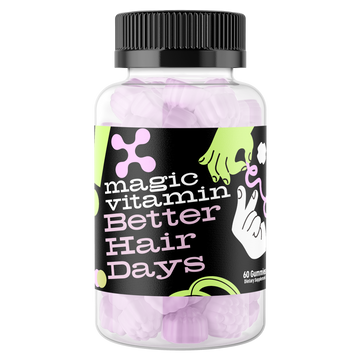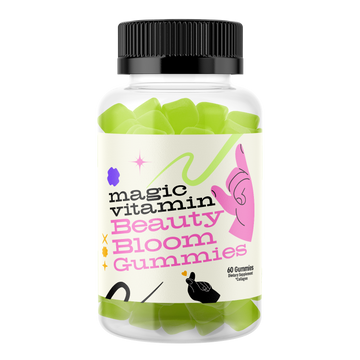
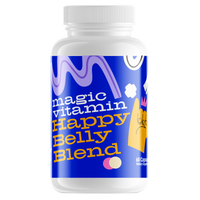
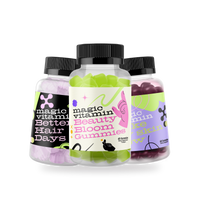
Supplement labels can be confusing. This Magic Vitamin glossary explains common terms you may see on gummies, capsules, probiotics, collagen products, creatine supplements, and women’s wellness formulas.
Serving Size
The amount used to calculate the quantities shown on the Supplement Facts panel. A serving may be one gummy, several gummies, one capsule, or another amount. Always compare products using the serving size on the label.
Suggested Use
The manufacturer’s directions for how the product is intended to be used. Suggested use and Supplement Facts serving size are related, but shoppers should read both. See our guide to Serving Size vs Suggested Use.
CFU
CFU stands for colony-forming units and is commonly used on probiotic labels. CFU tells you the quantity of viable microorganisms represented by the label claim; it does not tell you everything about the product by itself.
Probiotic Strain
A probiotic label may list genus, species, and strain. Named strains provide more specific information than a broad term such as “probiotic blend.” Learn more in Probiotic Labels Explained.
Prebiotic
A prebiotic is a substrate used by microorganisms in the gut. Some probiotic formulas include a prebiotic ingredient in the same product. Browse our Gut Wellness & Probiotics collection.
Creatine Monohydrate
A widely used form of creatine found in sports-nutrition products. When comparing creatine products, check the form, amount per serving, serving size, and total servings. See Creatine Gummies for Women: What to Check.
Collagen
Collagen is a structural protein. Supplement labels can differ by collagen source, collagen type, serving size, and supporting nutrients. Read Collagen Types 1, 2, 3, 5 & 10 Explained.
Biotin
Biotin is a B vitamin commonly included in hair, skin, and nail supplements. Because multiple beauty products may contain biotin, compare total intake when stacking formulas. Our Beauty Supplements for Women page makes those products easier to compare.
Vitamin C
Vitamin C appears in many multivitamin and beauty formulas. On collagen products, you may see it included alongside collagen or other beauty-focused nutrients.
Vitamin E
Vitamin E is a fat-soluble vitamin that can appear in multivitamin and beauty formulations. If several products in your routine contain vitamin E, compare the amounts on each label.
Vitamin B6
Vitamin B6 is found in many multivitamin and women’s wellness formulas. Total intake matters when several products contain the same nutrient. Read Vitamin B6 in Women’s Supplements.
Other Ingredients
This section of a supplement label can include flavors, sweeteners, capsule materials, binders, oils, colors, and ingredients used for texture or stability. See What Are “Other Ingredients”?
Third-Party Testing
Third-party testing can refer to testing performed by an independent laboratory or certification organization. The exact scope varies, so shoppers should look for what was tested rather than treating the phrase as a universal guarantee. Read Third-Party Tested Supplements Explained.
FDA-Registered Facility vs FDA-Approved
Facility registration and product approval are not the same thing. Dietary supplements are not FDA-approved in the same way as prescription drugs. See our guide to FDA-Registered vs FDA-Approved.
Supplement Facts Panel
The Supplement Facts panel lists serving size and the amounts of dietary ingredients per serving. Use it as your starting point when comparing products.
Build a Routine by Goal
Ready to compare products? Visit Shop Women’s Wellness by Goal or browse all Magic Vitamin supplements.
This glossary is for general educational purposes and is not medical advice. Always follow the product label and consult a qualified healthcare professional when appropriate.